
Relationship apps are tools designed to help couples have conversations they keep meaning to have — about connection, communication, and occasionally about what they actually want from each other. The category has expanded considerably, and most of it looks the same until you are a few weeks in. What each app does well depends on which problem you are actually trying to solve. Not all of them are solving the same one.
In this guide:
- A relationship app is a starting point, not a solution
- Why an app can make the conversation easier
- Not all relationship apps solve the same problem
- How to get a hesitant partner on board
- The desire conversation most apps quietly skip
- When a relationship app is not the right tool
- Frequently asked questions
A relationship app is a starting point, not a solution
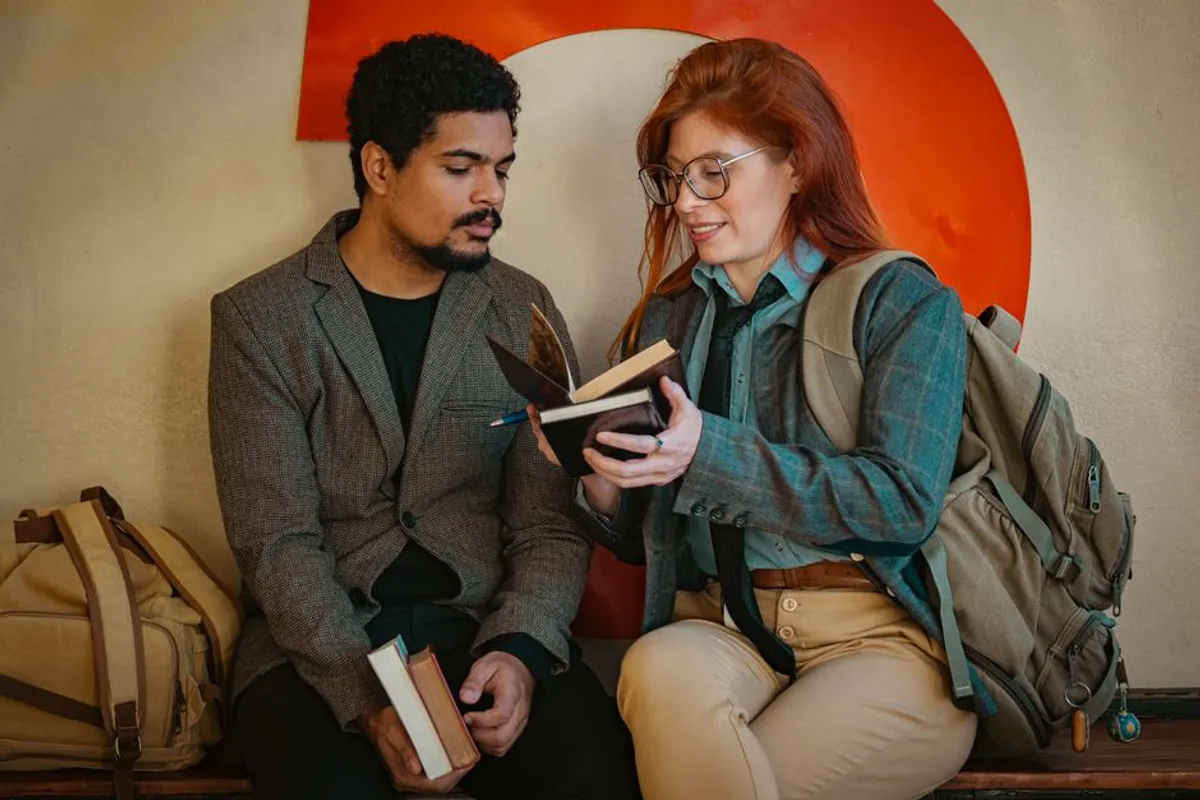
Most couples pick up a relationship app because something is slightly off. Not in crisis — just quieter than it used to be. A bit more routine. The impulse to try something structured is usually sound. But the expectation that the app does the work for you is where things tend to go sideways.
What apps do well is create a frame. A question to answer, a format to follow, a comparison to make. That frame lowers the cost of starting something. It gives both people somewhere to look other than each other’s face, which can make honesty considerably easier.
What apps do not do is change a pattern on their own, repair broken trust, or replace a real conversation. They open a door. Where you go from there depends on what happens after you put the phones down.
The couples who get the most from relationship apps are not the ones who treat them as a daily checklist. They are the ones who use the format as a prompt for a conversation they would not otherwise have started — and then actually have it.
Why an app can make the conversation easier

This is worth understanding before you download anything.
Research consistently finds that even in safe, loving relationships, the gut instinct is to hold back rather than disclose. Not because of dishonesty — because self-protection is deeply wired. The same instinct that helps you avoid conflict on a difficult evening also keeps you from saying what you actually want on a calm one.
A relationship app creates a structural gap between your answer and your partner’s reaction. You respond privately. They respond privately. Neither of you can see the other’s answers while you are filling yours in. That gap changes how honestly people respond — it removes the social pressure of watching someone’s face while they read what you said.
This is exactly the mechanism therapists point to when explaining why the yes, no, maybe list works: completing it separately, before comparing, is what allows people to answer truthfully rather than perform for their partner. The same principle applies to daily question apps like Paired — you answer independently, then unlock each other’s responses.
Saying what you want feels riskier than not saying it. That is the insight most relationship advice skips past. Even people in loving, trusting relationships hold back — not because they lack love, but because the instinct to protect yourself from a moment of exposure overrides the knowledge that your partner is probably more receptive than you think. A well-designed relationship app works around that instinct. It does not pretend it is not there.
Not all relationship apps solve the same problem
The market covers three broad categories, and which one you need depends on what you are actually trying to address.
Daily connection apps send a question or prompt each day. Both partners answer separately, then see each other’s responses. Paired is the most polished option in this category. The Gottman Card Decks app covers overlapping ground at no cost, grounded in the research of one of the most studied names in couples psychology. These work well for couples who communicate fine but have stopped learning new things about each other.
Structured course apps take a deeper approach — not daily prompts, but programmes designed to address specific patterns. Lasting and OurRelationship both fall here. OurRelationship has clinical trial evidence behind it, which is rare in this space. These suit couples who want to change something specific rather than just stay connected.
Desire mapping apps are built around the question of what each partner actually wants. This category is smaller and rarely covered in roundups. YNM uses the yes, no, maybe format — each partner indicates privately what they are interested in, open to, or not interested in. Coral takes an educational approach to sexual wellness.
For a detailed breakdown of specific apps and which situation each suits, our guide to the best relationship apps for couples goes through them individually.
How to get a hesitant partner on board
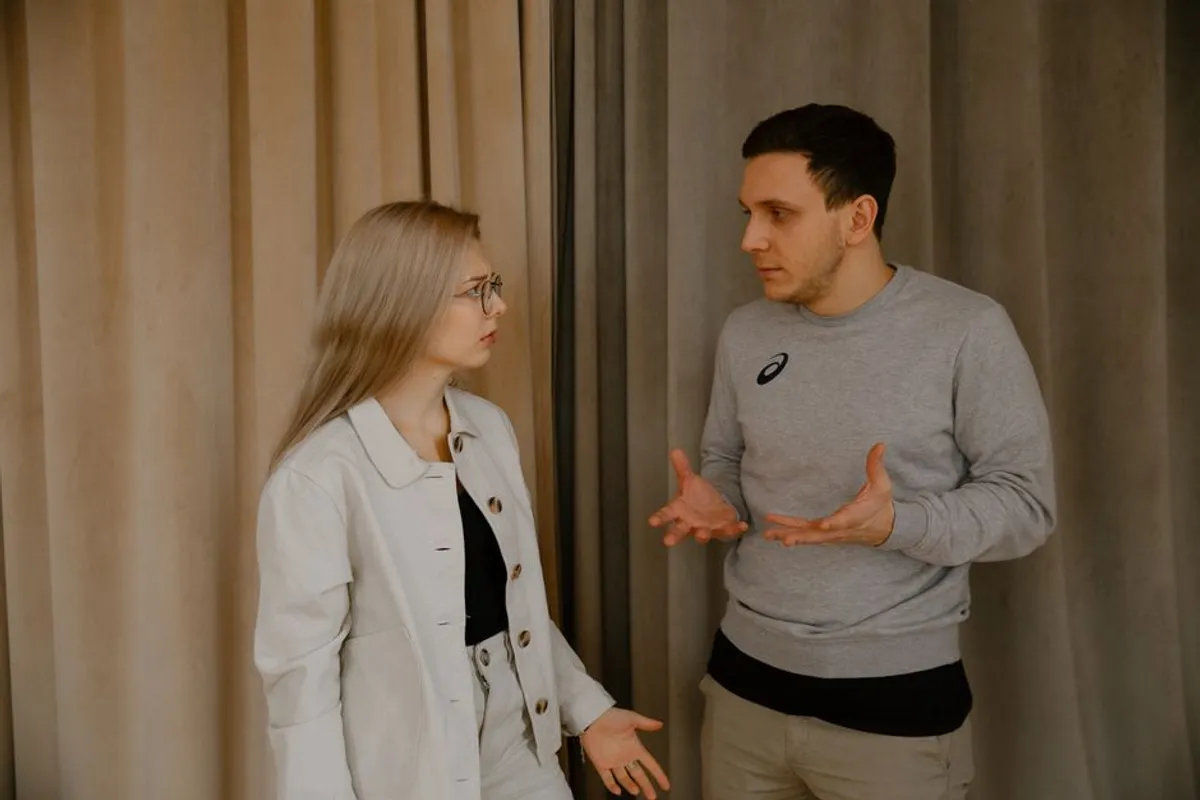
This is the gap almost every roundup skips. One partner suggests a relationship app. The other is not sure they want to spend time answering questions on their phone.
The frame matters more than the app. “I found this relationship app we should try” gets a different reception than “what if we answered a few questions separately and saw what came up.” Most people who resist the idea of a relationship app are perfectly open to the actual activity. The label is often the friction, not the format.
Timing matters too. Suggesting this during a tense moment almost always backfires. The same format that works well when both people feel settled and close to each other becomes another source of pressure when it does not. Wait for a quiet evening rather than using it to address something that is already strained.
Starting with the free tier of anything reduces one common objection. If neither of you is fully convinced, not paying upfront makes the trial feel low stakes. Give it a single session before deciding whether it is worth more.
If you are the more hesitant partner, that is worth noticing too. Sometimes the resistance is about the format. Sometimes it is about what the format might surface. Knowing which one it is tends to be more useful than either dismissing the suggestion or going along without engaging.
The desire conversation most apps quietly skip

Most relationship apps handle connection, communication, and daily closeness. Very few address what each partner actually wants from the physical side of the relationship.
This is not a small omission. Research finds that 80% of couples experience mismatched desire at some point. And the research on why they do not talk about it is consistent: even in loving relationships, naming what you want — or asking what your partner wants — feels more exposed than almost any other conversation. People tend to say what they think their partner wants to hear rather than what is honestly true for them. Not out of dishonesty — out of instinct.
AASECT-affiliated sex therapists are consistent on what actually helps: not encouraging a more direct face-to-face conversation, but removing the social risk from answering honestly in the first place. The yes, no, maybe list is the format they use to do this. Each partner indicates privately what they are interested in, curious about, or not interested in. You only see the results where you both said yes. Nothing else is revealed.
The “maybe” responses are worth paying attention to. Therapists consistently find that “maybe” is where the most useful conversations begin — it signals interest alongside uncertainty, and that combination is worth exploring rather than skipping past.
The digital version that YNM offers keeps responses private until both partners choose to compare. It removes the pressure of watching someone’s face as they read your answers — which, for many couples, is the difference between the conversation happening at all and it remaining something they keep meaning to get to.
If this is the conversation your relationship has been putting off, the frequently asked questions about the yes, no, maybe list covers the most common hesitations about starting.
When a relationship app is not the right tool

Relationship apps work when the relationship is broadly okay. Both people feel safe with each other. There is goodwill on both sides. The problem is a specific gap rather than something more entrenched.
Communication problems and lack of emotional closeness are among the most common reasons couples enter therapy. Not because they could not find the right app — because some patterns require a skilled third party to shift. An app is self-directed. It only works if the underlying foundation is stable enough for both people to engage honestly.
When there is significant unresolved conflict, damaged trust, or a feeling that one person is fundamentally unheard, a conversation tool is not going to address that. It may surface difficult things before there is enough safety to hold them. That is not a neutral outcome — it can make a hard situation harder.
COSRT lists accredited relationship and sex therapists in the UK. If you are based elsewhere, your GP or a national accreditation body can provide referrals.
This is the thing most app content does not say. A good outcome for a relationship app is a conversation that would not otherwise have happened. That is genuinely useful. But it is not the same as therapy, and reaching for an app when something more serious is going on is not a neutral choice. If there is tension in the relationship right now, wait. Use a format like this when both people feel calm and close. That is the right moment.
Frequently asked questions

Do relationship apps actually work?
For the right situation, yes. Apps work best when both partners are broadly okay with each other and want a specific kind of conversation or connection. They are much less effective when there is unresolved conflict, and they are not a substitute for professional support.
How do I introduce a relationship app to a hesitant partner?
Reframe the format rather than the name. Most people who resist “relationship apps” are open to “answering a few questions separately and seeing what we both said.” Start with something free, and choose a calm moment rather than one when the relationship is already under pressure.
Are free relationship apps worth using?
Yes. Gottman Card Decks is free and grounded in research. YNM’s core features are free. A free tier is a sensible starting point before deciding whether a paid plan adds enough value for you.
Can a relationship app replace couples therapy?
No. Apps are designed for couples who are broadly okay and want more connection or a specific conversation. When there is significant conflict, hurt, or patterns that keep repeating, a therapist is the right starting point.
How often should we use a relationship app?
It depends on the type. Daily prompt apps like Paired are designed for short daily interactions. An app like YNM is not a daily habit — it is something to use when you want to open a specific conversation, and revisit when things change.
Which relationship app is best for talking about physical intimacy?
YNM uses the yes, no, maybe format — a tool from sex therapy — where each partner answers privately and you only see what you share. Coral takes an educational approach to sexual wellness. Both are designed not to feel pressured or clinical.